Show Times
Sunday 14, December

Monday 15, December
Tuesday 16, December
Wednesday 17, December
Thursday 18, December
Friday 19, December
Saturday 20, December
Sunday 21, December
Monday 22, December
Tuesday 23, December
Thursday 25, December
Saturday 27, December
Monday 29, December
Thursday 1, January
Friday 2, January
Saturday 3, January
Friday 9, January
Saturday 10, January

2025 Sundance Film Festival Short Film Tour
TBC
The 2025 Sundance Film Festival Short Film Tour, presented by Vimeo, is a dynamic showcase of seven standout short films from this year’s Festival, including two Festival Award–winning titles. Curated for theatrical audiences nationwide, the 100-minute program offers an eclectic mix of storytelling that highlights bold voices and fresh perspectives. The 2025 Sundance Film Festival Short Film Tour provides a curated glimpse into the Festival’s offerings, underscoring the compelling narrative possibilities inherent in the short film format. For those who couldn’t attend the 2025 Sundance Film Festival — held in person in Park City and Salt Lake City, Utah, from January 23 to February 2, as well as online — this tour presents a special opportunity to discover a collection of fiction, nonfiction, and animated shorts brimming with humor, emotion, inspiration, and unforgettable characters, representing truly bold independent storytelling. Long recognized as a vital platform for short-form cinema and a springboard for numerous acclaimed independent filmmakers, the Sundance Film Festival annually presents a diverse array of fiction, documentary, and animated works from global storytellers. Across its many editions, the Festival has been instrumental in supporting short films, connecting both established and rising talents with enthusiastic audiences. Fueled by a spirit of innovation and artistic exploration, the Short Film Program continues to spotlight some of the most distinctive voices in filmmaking today. The Festival’s Short Film Program has long been established as a place to discover talented directors, such as alumni Andrea Arnold, Lake Bell, Damien Chazelle, Destin Daniel Cretton, Jay and Mark Duplass, Debra Granik, Rashaad Ernesto Green, Reinaldo Marcus Green, Sterlin Harjo, Todd Haynes, Don Hertzfeldt, Sky Hopinka, Shaka King, Lynne Ramsay, Dee Rees, Joey Soloway, Taika Waititi, and many others.
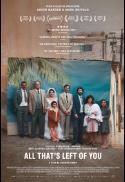
All That’s Left Of You
TBC
A deeply moving, multigenerational drama, ALL THAT’S LEFT OF YOU follows a Palestinian teenager who gets swept into a protest in the Occupied West Bank and experiences a moment of violence that rocks his family. The film unfolds as his mother recounts the political and emotional threads that led to that fateful moment. Spanning seven decades, the film traces the hopes and heartaches of one uprooted family, bearing witness to the scars of dispossession and the enduring legacy of survival. Jordan's Official Selection for the 98th Academy Awards.

Angel's Egg (Re-release)
NR
A mysterious young girl wanders a desolate, otherworldly landscape, carrying a large egg.
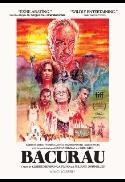
Bacurau
A few years from now... Bacurau, a small village in the Brazilian sertão, mourns the loss of its matriarch, Carmelita, who lived to be 94. Days later, its inhabitants (among them Sônia Braga) notice that their village has literally vanished from online maps and a UFO-shaped drone is seen flying overhead. There are forces that want to expel them from their homes, and soon, in a genre-bending twist, a band of armed mercenaries led by Udo Kier arrive in town picking off the inhabitants one by one. A fierce confrontation takes place when the townspeople turn the tables on the villainous outsiders, banding together by any means necessary to protect and maintain their remote community. The mercenaries just may have met their match in the fed-up, resourceful denizens of little Bacurau.

Cactus Pears
Anand, a 30-something city dweller compelled to spend a 10-day mourning period for his father in the rugged countryside of western India, tenderly bonds with a local farmer who is struggling to stay unmarried. As the mourning ends, forcing his return, Anand must decide the fate of his relationship born under duress.
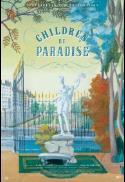
Children of Paradise
NR
Poetic realism reached sublime heights with Children of Paradise, widely considered one of the greatest French films of all time. This nimble depiction of nineteenth-century Paris’s theatrical demimonde, filmed during World War II, follows a mysterious woman (Arletty) loved by four different men (all based on historical figures): an actor, a criminal, a count, and, most poignantly, a mime (Jean-Louis Barrault, in a longing-suffused performance for the ages). With sensitivity and dramatic élan, director Marcel Carné and screenwriter Jacques Prévert resurrect a world teeming with hucksters and aristocrats, thieves and courtesans, pimps and seers. And thanks to a major new restoration, this iconic classic looks and sounds richer and more detailed than ever.
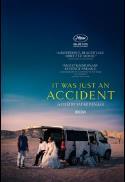
It Was Just an Accident
PG-13for thematic elements, violence, strong language, and smoking.
What begins as a minor accident sets in motion a series of escalating consequences.
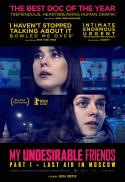
My Undesirable Friends: Chapters 4-5: 1st Week Of
Moscow, winter 2021: At TV Rain, the only remaining independent channel, young journalists have been branded “foreign agents”— targeted for surveillance or worse, and required to tag their reporting with a disclaimer that they are serving foreign powers. Regardless: Ksyusha furiously produces and edits stories to distract herself from her fellow-journalist fiancé’s imprisonment; Anya hosts everyday heroes of resistance on her interview show, while shielding both her sanity and her young daughter from the regime’s relentless “fuckery”; Sonya produces the “Hi, You’re a Foreign Agent” podcast at her kitchen table while beholding her empty living room (why buy a sofa when who knows what will happen to her?); Alesya fends off anxiety that her office has been bugged, while hiding her relationship with her girlfriend from her traditional mother. Russia’s invasion of Ukraine is just weeks away, as these Gen-Z heroines confront propagandist absurdity and personal endangerment, fighting for the soul of a country they love to the bitter end.
My Undesirable Friends: Part 1, Chapters 1-3
What begins as an intimate portrait of Russian independent journalists facing persecution by Putin’s regime takes a drastic turn when Russia starts a full-scale war in Ukraine and they are all forced into exile. The film offers a front row seat to how authoritarianism works and the lives of those who resist, which becomes all the more globally relevant every day.

Resurrection
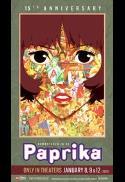
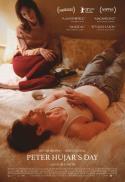
In a world where humanity has lost the ability to dream, one creature remains entranced by the fading illusions of the dreamworld. This monster, adrift in reverie, clings to visions no one else can see—until a woman appears. Gifted with the rare power to perceive these illusions for what they truly are, she chooses to enter the monster’s dreams, determined to uncover the truth that lies hidden within.
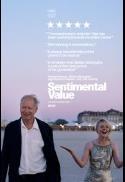
Sentimental Value
Rfor some language including a sexual reference, and brief nudity.
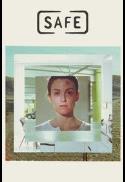
Sisters Nora and Agnes reunite with their estranged father, the charismatic Gustav, a once-renowned director who offers stage actress Nora a role in what he hopes will be his comeback film. When Nora turns it down, she soon discovers he has given her part to an eager young Hollywood star. Suddenly, the two sisters must navigate their complicated relationship with their father — and deal with an American star dropped right in the middle of their complex family dynamics.
Shredding: A New Lens in Surf Filmmaking
TBC
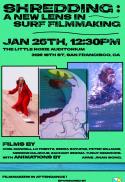
Shredding is a short surf film program that invites both lifelong diehards and the uninitiated alike to re-examine how surfing is culturally framed. Within the context of the sport, the term “shredding” has had difficulty escaping its mocking association with a certain archetypal image of the surfer, caricatures like Jeff Spicoli, Bodhi, Zack Morris, etc. Rather than merely decrying this apparent lack of representation, Shredding affirmatively undermines those cumbersome and outdated stereotypes by sharing the experiences of those whose very presence on a board redefines the discourse. Through contemporary lenses from as far afield as Morocco to up and down the California coast, we get to see how people are expanding the surf space today. Myriad perspectives, uniquely shaped by similar challenges: feeling seen, gaining access, and eventually, changing that archetypal image of what a surfer looks like. Each film incrementally opens up that much more space for someone new to try, welcoming their identity and interpretation into the surfing lexicon, with others then feeling welcome to follow suit. After Shredding, it seems irrefutable that surfing really is for everyone. Any time or place they can get to the beach, the rhythmic beat of the waves will be there waiting. Going deeper still, what remains after the shredding of this homogenous cultural image is a shifted focus to what’s actually most important: how surfing makes you feel. The implicit lesson being that, in spite of differences about who that surfer is and where they come from, or their respective struggles at getting there, the joy experienced upon arriving at any place where the waves break seems almost universal. A kindred calling to the water, a sense of freedom, a transcendental escape from temporality, a feeling of clarity, a communing with nature. What Shredding says most emphatically is that surfing is love.

Suburban Fury
TBC
"Suburban Fury" examines the 1975 assassination attempt on U.S. President Gerald Ford by Sara Jane Moore, a conservative, middle-aged, single mother from the San Francisco suburbs who became radicalized while working as an FBI informant.

The Chronology of Water
TBC
Brought up in an environment torn apart by violence and alcohol, Lidia Yuknavitch seemed destined for self-destruction and failure until words offered her unexpected freedom in the form of literature. The Chronology of Water, adapted from Yuknavitch’s autobiographical bestseller, follows Lidia’s journey to find her own voice in an exploration of how trauma can be transformed into art through re-possessing our own bloody histories, particularly those uniquely experienced by the bodies of women and girls.
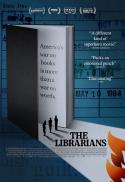
The Librarians
Librarians emerge as first responders in the fight for democracy and our First Amendment Rights. As they well know, controlling the flow of ideas means control over communities. In Texas, the Krause List targets 850 books focused on race and LGBTQia+ stories – triggering sweeping book bans across the U.S. at an unprecedented rate. As tensions escalate, librarians connect the dots from heated school and library board meetings nationwide to lay bare the underpinnings of extremism fueling the censorship efforts. Despite facing harassment, threats, and laws aimed at criminalizing their work – the librarians’ rallying cry for freedom to read is a chilling cautionary tale.
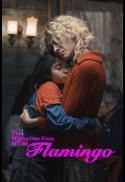
The Mysterious Gaze of the Flamingo
NR
Set in a remote Chilean mining town in 1982, Diego Céspedes’ dazzling debut feature follows young Lidia, who grows up within a vibrant queer household led by drag performers and trans women. When a mysterious illness—rumored to spread through the gaze between men—sows fear and hysteria, the community becomes the target of suspicion and violence. Through Lidia’s eyes, Céspedes crafts a haunting allegory of love, myth, and prejudice that reimagines the early AIDS era as a queer western with poetic intimacy and desert-dry surrealism. Winner of the Un Certain Regard Award at the 2025 Cannes Film Festival, The Mysterious Gaze of the Flamingo recalls the emotional vibrancy of Almodóvar and continues Chile’s proud legacy of queer cinema—marking Céspedes as one of the most exciting new voices in world cinema.
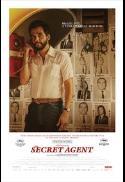
The Secret Agent
R for strong bloody violence, sexual content, language, and some full nudity.
1977. In a Brazil tormented by the military dictatorship, Marcelo, a man in his forties fleeing a troubled past, arrives in the city of Recife where he hopes to build a new life and reconnect with his family. That's without taking into account the death threats that lurk and hover over his head.
The Tale of Silyan
TBCfor thematic elements including a suicide reference, some smoking and brief suggestive material.
Inspired by the folk tale of the boy Siljan, who after a quarrel with his father turns into a stork and leaves home, the film is a story about the relationship between a farmer and a white stork.
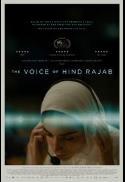
The Voice of Hind Rajab
TBC
Red Crescent volunteers receive an emergency call. A 6-year old girl is trapped in a car under IDF fire in Gaza, pleading for rescue. While trying to keep her on the line, they do everything they can to get an ambulance to her.
![Together [Tillsammans] (2000)](/Media/Poster?siteToken=4m48btf3yavn7xjk5yxk6nc40c&code=0000009589)
Together [Tillsammans] (2000)
25th Anniversary Screening! This sweet, sharp, snowbound story from director Lukas Moodysson (Lilya 4-Ever, Show Me Love, We Are the Best!) is perfect viewing for that cozy yet liminal pocket of days in between Christmas and the New Year. In mid-1970s, fleeing life with her abusive husband Rolf, Elisabeth moves into her brother Goran's commune, with her two children Stefan and Eva. A big house in suburban Stockholm, the commune is called "Together" and inhabited by a crowded assortment of people. Initially resistant to Elisabeth's entry, the commune soon accepts her and her children as part of their family. Soon Elisabeth is acclimating to her new surroundings and the commune's liberal attitudes towards sex, drugs and politics. But just as she's becoming settled, her husband shows up looking to get the family back together.
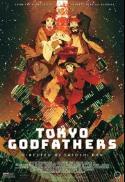
Tokyo Godfathers
PG-13for thematic elements, violent images, language and some sexual material
On Christmas Eve, three homeless people living on the streets of Tokyo find a newborn baby among the trash and set out to find its parents.

Variety
NR
Christine (Sandy McLeod) takes a job selling tickets at a porno theater near Times Square. Instead of distancing herself from the dark and erotic nature of this milieu, she develops an obsession that begins to consume her life. Few films deal honestly with a female sexual pointof-view, controversial and highly personal, VARIETY does just this.

Viridiana
Viridiana, a young nun about to take her final vows, pays a visit to her widowed uncle at the request of her Mother Superior.
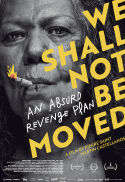
We Shall Not Be Moved / No nos moverán
Winner of four Ariel Awards—for Best First Feature, Original Screenplay, Actress, and Breakthrough Performance—and selected as Mexico’s official submission for the Best International Film Oscar, We Shall Not Be Moved tells the story of Socorro—played by Luisa Huertas in a tour-de-force performance—a retired lawyer consumed by her obsession to find the soldier who killed her brother during the student protests of October 2, 1968, when demands for democracy and justice were brutally silenced in Mexico City’s Tlatelolco Square. Nearly six decades later, her relentless pursuit has fractured her relationships with her sister, Esperanza, and her son, Jorge. When a new clue emerges, Socorro sets out on a perilous quest for vengeance, putting her family, her legacy, and her own life in jeopardy. Shot in striking black and white, director Pierre Saint Martin delivers a powerful and intimate reflection on the enduring wounds of Mexico’s modern history.

Yi Yi
TBC
Each member of a family in Taipei asks hard questions about life's meaning as they live through everyday quandaries. NJ is morose: his brother owes him money, his mother-in-law is in a coma, his wife suffers a spiritual crisis when she finds her life a blank and his business partners make bad decisions.

Zwigoff Double Feature: Louie Bluie + Bad Santa
Terry Zwigoff returns to The Roxie with a double-feature that includes a film he and his neighborhood cinema have been heckling, cajoling, even daring one another for decades to get up on screen in the Mission District; his 1st cinematic effort, the 1985 LOUIE BLUIE; a wry, ribald, & magical portrait of the country-blues string band player and irrepressible raconteur Howard Armstrong (a.k.a. Louie Bluie), paired with the ‘Director’s Cut” of a perennial cult favorite, the nasty as it wants to be, BAD SANTA. Terry in person to talk us through why these two, and why now, while he’s signs & sells Criterion remasters of both.